
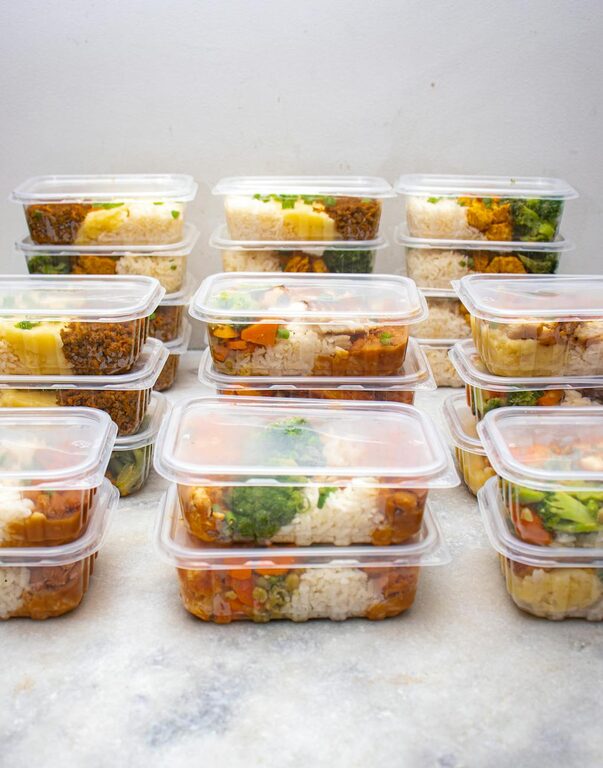
Planning balanced meals doesn’t have to be complicated or stressful. With a little organization and a few simple strategies, you can enjoy a variety of nutritious meals that fuel your body and satisfy your taste buds. Whether you’re cooking for one or feeding a family, this guide will help you create balanced meals without feeling overwhelmed.
What Is a Balanced Meal?
Before diving into meal planning tips, it’s helpful to understand what a balanced meal includes. A balanced meal typically contains:
– Proteins: Such as lean meats, beans, tofu, or fish. Proteins help build and repair tissues.
– Carbohydrates: Whole grains, fruits, and vegetables that provide energy and fiber.
– Fats: Healthy fats from sources like nuts, seeds, avocados, and olive oil.
– Vitamins and Minerals: Found in a variety of colorful fruits and vegetables.
– Water: Staying hydrated is important to overall health.
The goal is to combine these components in a way that suits your taste and lifestyle.
Step 1: Start With Simple Meal Planning
Stress often comes from trying to do too much at once. Instead of planning elaborate dishes every day, aim for simplicity.
– Plan for 3-5 days at a time: This keeps your shopping manageable and reduces decision fatigue.
– Pick versatile staples: Think brown rice, whole-grain pasta, canned beans, frozen vegetables.
– Lean on leftovers: Cook larger portions to use for lunches or next-day dinners.
Keep your meal plans flexible. If you don’t feel like eating what’s planned, swap it with an easy alternative.
Step 2: Use a Balanced Plate Model
One easy way to build balanced meals is by visualizing your plate:
– Half your plate = Vegetables and fruits
– One quarter = Protein
– One quarter = Whole grains or starchy vegetables
– Add a small amount of healthy fats
This simple structure helps ensure you get a variety of nutrients without overthinking.
Step 3: Grocery Shopping Tips
Good meal planning starts with a smart grocery run.
– Make a list based on your meal plan to avoid impulse buys.
– Choose seasonal produce for better flavor and cost.
– Shop the perimeter of the store first, where fresh foods are usually located.
– Keep staple items stocked like nuts, canned tomatoes, olive oil, herbs, and spices.
Consider shopping once per week if possible, to save time and reduce stress.
Step 4: Prep Ingredients Ahead of Time
Meal prep doesn’t mean cooking every meal in advance; even small steps help.
– Wash and chop vegetables when you get home.
– Cook large batches of grains or proteins to mix and match later.
– Store pre-portioned snacks like nuts or fruit for quick access.
These small prep actions make it easier to put meals together quickly during busy days.
Step 5: Explore Simple and Balanced Meal Ideas
Here are some easy-to-assemble balanced meals to inspire you:
Breakfast
– Greek yogurt with berries, nuts, and a drizzle of honey.
– Oatmeal topped with banana slices and chia seeds.
– Whole grain toast with avocado and a boiled egg.
Lunch
– Quinoa salad with chickpeas, cucumbers, tomatoes, and a lemon vinaigrette.
– Whole grain wrap with turkey, spinach, and hummus.
– Vegetable soup with a side of whole grain bread.
Dinner
– Grilled salmon, roasted sweet potatoes, and steamed broccoli.
– Stir-fried tofu with mixed vegetables and brown rice.
– Lentil curry with a side of naan bread and spinach.
Step 6: Stay Flexible and Kind to Yourself
No one eats perfectly every meal. Planning balanced meals is about progress, not perfection.
– If you miss a planned meal, try to balance out the next one.
– Allow room for treats and favorite foods.
– Adjust plans based on your schedule, energy, and cravings.
Remember, food is nourishment but also enjoyment. Finding balance includes being kind to yourself.
Final Thoughts
Planning balanced meals without stress is achievable with preparation and realistic expectations. Start small, use simple techniques like the balanced plate model, and gradually build habits that fit your lifestyle. Over time, this approach will bring you confidence in the kitchen and a healthier relationship with food.
Happy meal planning!