
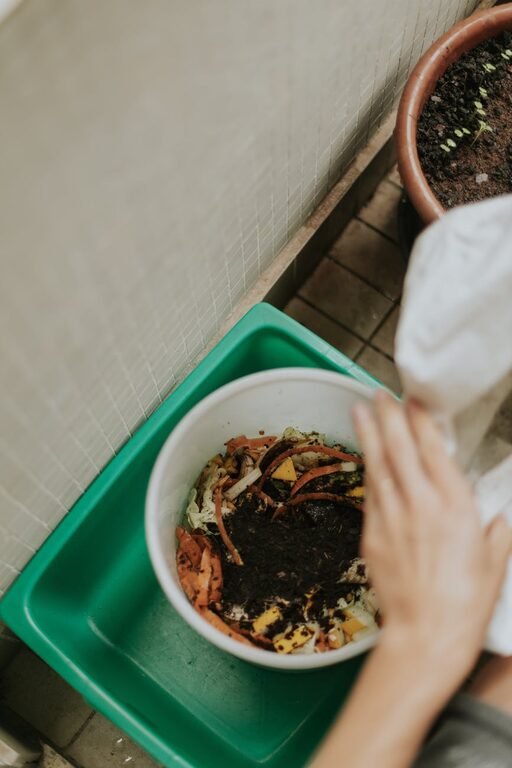
Composting at home is a fantastic way to reduce waste, improve your garden soil, and contribute positively to the environment. If you’re new to composting, the process may seem a bit overwhelming at first, but with the right tips and guidance, you’ll find it simple and enjoyable. This guide will introduce you to the basics of composting, what you need, and how to create healthy compost right in your backyard or balcony.
What is Composting?
Composting is the natural process of recycling organic matter, such as food scraps and yard waste, into a valuable fertilizer known as compost. This compost enriches soil by providing essential nutrients, improving soil structure, and retaining moisture.
Why Start Composting at Home?
– Reduces Waste: Diverts kitchen and garden waste from landfills.
– Improves Soil Health: Adds nutrients and beneficial microorganisms.
– Saves Money: Reduces the need for store-bought fertilizers.
– Environmentally Friendly: Lowers greenhouse gas emissions.
Getting Started: What You’ll Need
1. Choose a Compost Bin or Area
– Compost Bin: Available in various sizes and styles, including tumblers, bins with lids, or DIY options. Choose one suitable for your space (backyard, patio, balcony).
– Compost Pile: If you have ample garden space, a simple compost heap works well.
2. Gather Compostable Materials
Compost materials are generally grouped into “greens” and “browns”:
– Greens (Nitrogen-rich materials): Fruit and vegetable scraps, coffee grounds, tea bags, fresh grass clippings.
– Browns (Carbon-rich materials): Dry leaves, straw, cardboard, shredded paper, sawdust.
Balance is key. A good rule of thumb is to use about two or three parts browns to one part greens.
3. Tools to Have Ready
– Garden fork or shovel (for turning the compost)
– Water source (for moisture)
– Gloves (optional, for handling compost)
Step-by-Step Beginner Composting Guide
Step 1: Start Your Compost Pile or Bin
Place your compost bin or pile in a well-drained, shady spot. Direct sunlight isn’t necessary and can dry out your compost.
Step 2: Layer the Materials
Begin by putting a few inches of browns at the bottom to aid aeration. Alternate layers of greens and browns as you add more material. This layering helps maintain balance and promotes decomposition.
Step 3: Maintain Moisture
Your compost should remain damp, similar to a wrung-out sponge. Water it occasionally to keep moisture consistent but avoid sogginess, which can cause odor issues.
Step 4: Turn the Compost Regularly
Aeration is essential for healthy composting. Use a garden fork or shovel to turn your pile every one to two weeks. This introduces oxygen, warms the pile, and speeds up decomposition.
Step 5: Be Patient and Monitor
Composting typically takes anywhere from 2 months to a year depending on conditions and materials. You’ll know it’s ready when the pile is dark, crumbly, and earthy smelling.
What to Compost and What to Avoid
Safe to Compost
– Fruit and vegetable scraps
– Coffee grounds and filters
– Tea bags (check if compostable)
– Eggshells (crushed)
– Grass clippings and leaves
– Paper towels and napkins (unbleached)
Avoid Composting
– Meat, fish, and dairy products (attract pests)
– Fats, oils, and greasy foods
– Pet waste
– Diseased plants or weeds with seeds
– Treated wood or paper with ink
Tips for Success
– Chop or shred material: Smaller pieces break down faster.
– Avoid overloading: Add materials gradually rather than all at once.
– Monitor temperature: Compost piles should feel warm in the center—it’s a natural sign of activity.
– Troubleshoot odors: Smelly compost is often too wet or contains too many greens. Add browns and turn the pile.
Using Your Finished Compost
Once the compost looks dark and crumbly with no recognizable food scraps, it’s ready to use. Mix it into garden beds, potting soil, or use as mulch around plants. It will improve plant health and soil quality naturally.
Final Thoughts
Starting composting at home is a simple, eco-friendly practice anyone can do. By following these beginner tips, you’ll turn everyday waste into valuable soil food, reduce your environmental footprint, and enjoy gardening benefits at home. Remember, composting is a learning process, so don’t hesitate to experiment and adjust as you go.
Happy composting!