
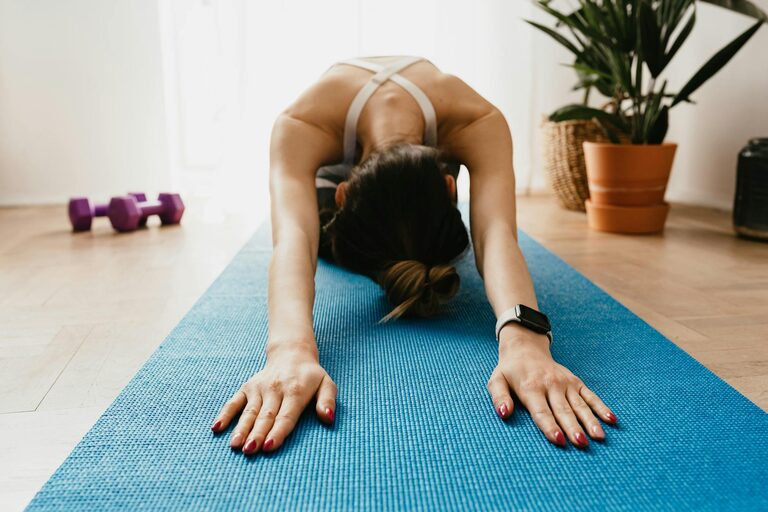
Stretching is an essential part of any fitness routine, yet it’s often overlooked. Incorporating simple stretching exercises into your daily life can improve flexibility, increase blood flow, reduce muscle tension, and enhance your overall well-being. The best part? You don’t need any special equipment or a gym membership to get started. This beginner’s guide will walk you through the basics of stretching at home, including tips, safe techniques, and easy stretches anyone can do.
Why Stretching Matters
Stretching isn’t just about touching your toes or increasing flexibility. It provides many benefits:
– Improves flexibility and range of motion: This helps with everyday movements and reduces stiffness.
– Enhances circulation: Stretching increases blood flow to muscles, aiding recovery and energy levels.
– Reduces muscle tension and stress: Taking a few minutes to stretch can help release physical and mental tension.
– Prevents injury: Stretching prepares your body for activity and helps maintain muscle balance.
– Boosts posture: Regular stretching can reduce tightness that leads to poor posture.
If you’re new to stretching, starting slow and listening to your body is key.
Preparing to Stretch at Home
Before jumping into stretches, set up a comfortable and distraction-free environment:
– Choose a quiet space: A room with enough floor space to move freely.
– Wear comfortable clothing: Loose or stretchy clothes allow a full range of motion.
– Use a mat or towel: This cushions joints and provides grip on hard floors.
– Warm up lightly: Stretching cold muscles isn’t advisable. Spend 3-5 minutes walking, marching in place, or doing gentle movements to warm up.
Stretching Safety Tips
When stretching, keeping yourself safe is important, especially if you’re new:
– Stretch after warming up: Avoid stretching cold muscles to prevent injury.
– Hold without bouncing: Use steady, gentle stretches to avoid strains.
– Don’t push past comfort: Mild tension is normal, but never stretch to the point of pain.
– Breathe deeply: This helps relax muscles and improves effectiveness.
– Focus on balance: Stretch both sides of your body evenly to maintain symmetry.
Basic Stretching Techniques
Understanding basic stretching methods makes your practice more effective.
Static Stretching
This is the most common type, where you hold a stretch position for 15–60 seconds. It’s excellent for improving overall flexibility and is best done after any physical activity or warm up.
Dynamic Stretching
Involves controlled, gentle movements that take your joints and muscles through their full range of motion. Dynamic stretches are great before exercise to prepare the body.
Passive Stretching
Using an external force like gravity, a strap, or your own body weight, you stay relaxed while the stretch is held. This is often done with the help of props or a partner.
Easy Stretches for Beginners
Here are some beginner-friendly stretches you can do at home without any equipment. Aim to hold each stretch for 20–30 seconds and repeat 2-3 times.
1. Neck Stretch
– Sit or stand up straight.
– Slowly tilt your head to the right, bringing your ear closer to your shoulder.
– Hold, then switch sides.
– This relieves neck tension from desk work.
2. Shoulder Stretch
– Extend your right arm straight across your body.
– Use your left hand to gently pull your right arm towards your chest.
– Switch arms after holding.
– It helps loosen the shoulders and upper back.
3. Cat-Cow Stretch (Spinal Flex)
– Start on hands and knees.
– Arch your back, dropping your belly towards the floor while lifting your head (Cow).
– Then round your back towards the ceiling, tucking your chin (Cat).
– Repeat 8–10 times.
– Great for spinal mobility and reducing back stiffness.
4. Seated Hamstring Stretch
– Sit on the floor with right leg extended and left leg bent with the foot near your inner thigh.
– Reach forward toward the right foot, keeping your back straight.
– Switch legs after holding.
– Helps loosen hamstrings and lower back.
5. Standing Quadriceps Stretch
– Stand tall, holding onto a chair if needed for balance.
– Bend your right knee and grab your ankle behind you, pulling your heel toward your buttocks.
– Keep knees close together.
– Switch legs.
– Opens the front of thighs.
6. Child’s Pose
– Kneel on the floor, sit back on your heels, and reach your arms forward, lowering your chest to the floor.
– Relax and breathe deeply.
– This is a gentle stretch for the lower back and hips.
Incorporating Stretching Into Your Daily Routine
Consistency is key to seeing benefits from stretching. Here are some tips to make stretching a habit:
– Schedule it: Pick a fixed time daily, like morning or before bed.
– Keep it short: Even 5-10 minutes can be effective, especially if done regularly.
– Mix it up: Change stretches to keep it interesting and address different muscle groups.
– Pair with other habits: Stretch after brushing teeth or during TV breaks.
– Listen to your body: Gradually increase stretch time and intensity based on comfort.
When to Seek Professional Advice
If you have existing injuries, chronic pain, or medical conditions, consult a healthcare or fitness professional before starting a stretching routine. Personalized guidance ensures you stretch safely and effectively.
Final Thoughts
Stretching at home is an excellent way to care for your body with minimal time and effort. Starting with simple stretches, keeping consistency, and paying attention to your body can lead to improved flexibility, reduced tension, and a greater sense of well-being. Give it a try—you’ll be surprised how just a few minutes a day can make a big difference!